Introduction
When it concerns the culinary arts, the texture of a meal can often make or break the dining experience. One unexpected gamer in this field is nitrous oxide (N2O), typically known for its usage in whipped cream dispensers and cooking tools like NitrousOxide Cream Battery charger Tanks In this article, we will dive deep into the chemistry behind laughing gas and explore how it impacts food texture, utilizing different cooking applications as examples. Buckle up as we start an informing journey through the science of N2O!
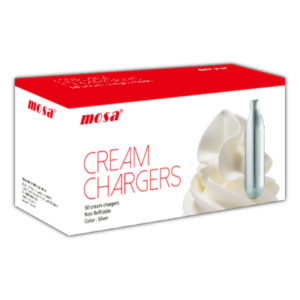
The Role of Laughing gas (N2O) in Culinary Arts
What is Nitrous Oxide?
Nitrous oxide, or N2O, is a colorless, non-flammable gas at room temperature level. It has actually been utilized for different purposes varying from anesthesia to food preparation. In culinary settings, laughing gas serves an essential function as a propellant and a whipping agent.
How Does N2O Operate in Food Texture?
When nitrous oxide is dissolved in a liquid cream or other mixes under pressure, it develops small bubbles upon release. This process leads to an increase in volume and alters the texture considerably, making it light and airy.
Exploring the Chemistry Behind Nitrous Oxide and Its Effects on Food Texture
The Molecular Structure of N2O
Understanding the molecular structure of nitrous oxide assists describe its habits when mixed with other compounds. The molecule consists of 2 nitrogen atoms and one oxygen atom (N-N-O). This unique plan adds to its stability and low reactivity.

The Science Behind Gas Dissolution
When N2O is introduced into a liquid-- such as cream-- under pressure, it dissolves into the liquid. As soon as released from the tank, the pressure drops rapidly, permitting gas bubbles to form. This phenomenon is essential for producing whipped textures.
Practical Applications of Laughing gas in Cooking
Making Whipped Cream with N2O
Using Cream Chargers Tank, chefs can effortlessly create whipped cream that has a velvety texture. When nitrogen oxide is launched into heavy cream through a battery charger, it aerates quickly while incorporating stabilizers like sugar or gelatin.
Infusing Flavors with Nitrous Oxide
One innovative application involves taste infusion utilizing N2O cream chargers. By sealing fruits or herbs with liquid nitrogen oxide, chefs can infuse tastes into oils or creams without changing their base textures.

Advantages of Utilizing N2O Over Other Gases
Comparison with Other Gases
While there are options like co2 (CO2), laughing gas offers numerous advantages:
- Stability: N2O is less reactive than CO2. Texture Improvement: It produces lighter textures compared to CO2. Speed: Whipping with N2O occurs much faster than conventional methods.
Safety Considerations When Utilizing Nitrous Oxide
Handling Cream Charger Tanks Safely
When utilizing laughing gas for cooking purposes, it's important to follow safety standards:
- Always keep tanks upright. Avoid exposing them to heat. Use only food-grade nitrogen oxide products.
Risks Related to Inappropriate Use
Improper usage of laughing gas can cause threats such as:
- Asphyxiation due to absence of oxygen. Frostbite from mishandling cold tanks.
Awareness of these threats guarantees safer cooking adventures!
Innovative Strategies Making use of Nitrous Oxide
Molecular Gastronomy: A New Frontier
Nitrous oxide has become an important element in molecular gastronomy-- a contemporary design that highlights innovative techniques and discussions. Chefs manipulate textures utilizing nitrogen-infused foams and gels.
Creating Airy Mousses and Froths
A popular technique involves forming airy mousses using N2O chargers. By introducing air at https://holdenaahk600.tearosediner.net/leading-5-brands-for-reliable-and-effective-cream-chargers-tanks high pressures, chefs develop light textures that would be impossible through traditional ways alone.
Exploring Various Culinary Utilizes for Nitrous Oxide
Cocktails with Textural Surprises
Mixologists also embrace nitrous oxide by producing mixed drinks that feature foamy textures or flavored airs. Beverages like espresso martinis have benefited greatly from this technique.
Sous Vide Cooking Enhancements
In sous vide cooking, some chefs use nitrogen infusion strategies to improve flavor absorption without jeopardizing texture during long cooking processes.
The Ecological Effect of Nitrous Oxide
Greenhouse Gas Concerns
While laughing gas has useful usages in cooking, it's likewise a potent greenhouse gas accountable for environmental issues. Comprehending its impact assists promote responsible usage amongst culinary professionals.
Sustainable Practices
Chefs are motivated to adopt sustainable practices such as lessening waste when utilizing N2O through mindful measurements and effective use throughout food preparation processes.
Frequently Asked Concerns (Frequently asked questions)
What are Cream Battery charger Tanks?- Cream battery charger tanks are small cylinders filled with laughing gas utilized mainly for light whipping creams and instilling tastes into liquids.
- Yes! While carbon dioxide is an option, it doesn't provide the same light texture when whipping foods.
- Store them upright in a cool location far from direct sunlight to make sure safety and longevity.
- Yes! When managed appropriately according to safety guidelines, it's safe for culinary applications.
- Absolutely! Lots of chefs experiment with oils, juices, and even broths when dealing with nitrous oxide.
- Inhaling straight can lead to severe health threats including loss of consciousness due to absence of oxygen; thus it's crucial just to use it as meant in food preparation.
Conclusion
In summary, exploring the chemistry behind nitrous oxide exposes its fascinating effect on food texture across numerous cooking applications-- from creating fluffy whipped creams to enhancing flavors through molecular gastronomy techniques. By utilizing this powerful gas responsibly within kitchens worldwide-- with correct understanding relating to safety measures-- chefs can press boundaries while delighting restaurants' palates!
So next time you indulge in that incredible whipped topping or frothy cocktail at your favorite dining establishment-- or perhaps whip some up in the house-- remember there's more than fulfills the eye behind those delightful textures developed by none besides excellent old N2O!
This thorough expedition not just supplies insights into cooking techniques but likewise underscores importance surrounding environmental considerations tied carefully with usage patterns relating back towards accomplishing tasty results without jeopardizing our planet's future!